



Alongside efforts to preserve their authenticity, organizations and individuals are increasingly applying science, technology and digital transformation to heritage management, archiving, research and promotion. These new approaches are creating more opportunities for cultural values to be preserved and passed down through generations.
One notable development in heritage preservation in Điện Biên is the growing use of digital technology at museums and historical sites. Moving beyond traditional methods of storing documents, photographs and artifacts, institutions are gradually building electronic databases, digitizing artifacts and developing software for information management and retrieval. These efforts are making research, exhibitions and public access to heritage more convenient.
At the Điện Biên Phủ Museum, the management, archiving and digitization of artifacts have continued to produce tangible results. Lê Thị Lan Anh, Head of the Museum’s Professional Affairs Division, said that since the beginning of the year, the museum had completed documentation for 115 documents and artifacts collected in 2024 and 178 artifacts collected in 2025. It had also entered 727 artifact records into the museum’s management software and 130 records into the Cultural Heritage Department’s artifact management system. In addition, the museum reviewed and cleaned data for 2,332 artifact records in the cultural heritage sector’s database software. Gradually standardizing and updating information on digital platforms is making the management, retrieval and use of archival materials more systematic and convenient, while helping preserve and promote the value of precious historical artifacts and documents.
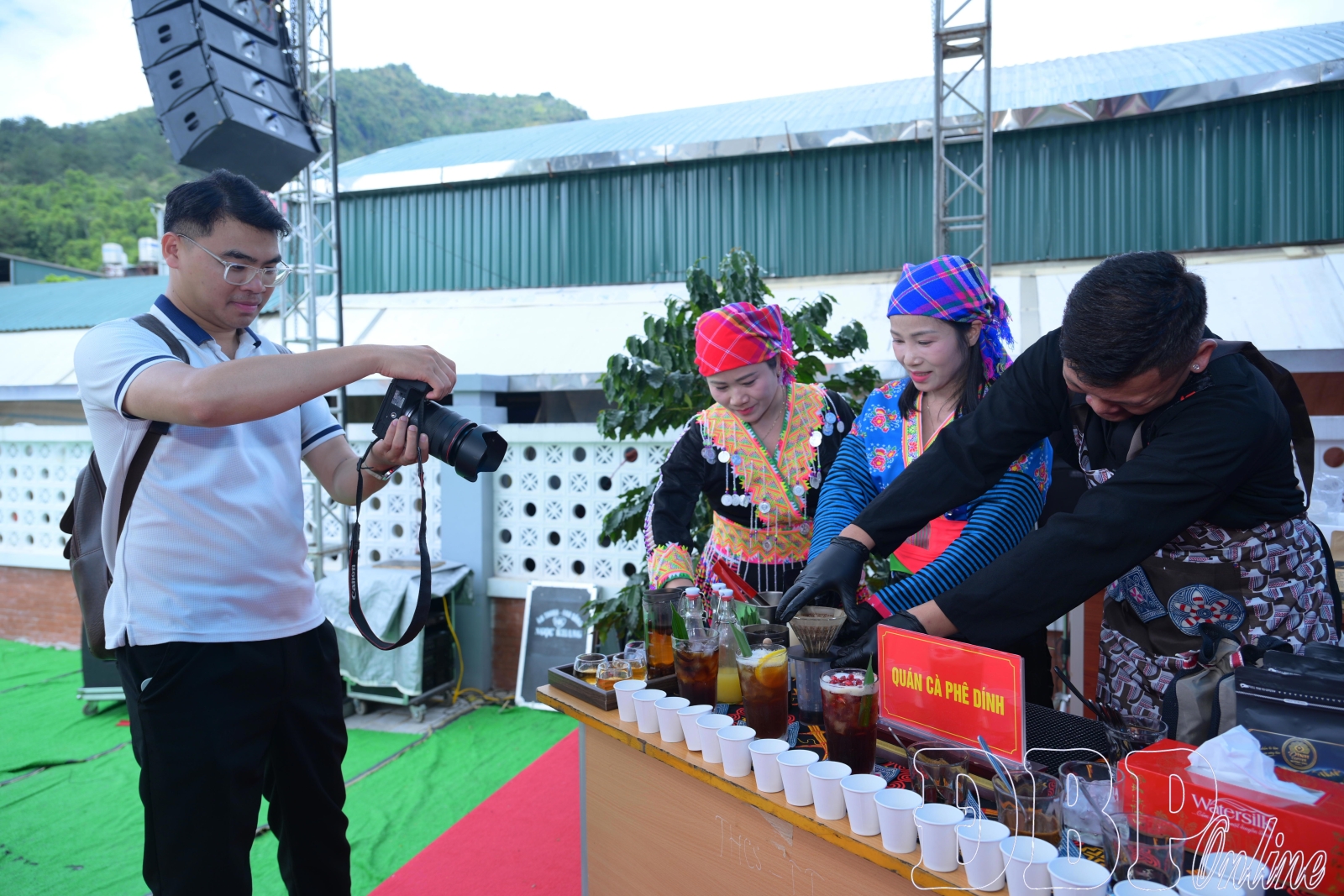
While digitizing artifacts and historical sites helps preserve tangible traces of history, technology is also creating practical, community-based approaches to safeguarding intangible cultural heritage. Folk songs, Mong flute music, Thái xòe dance, traditional knowledge, languages, scripts and rituals, once passed down mainly through oral traditions and direct practice, can now also be preserved through photographs, audio recordings and videos. Notably, many young people are taking the initiative to use smartphones and social media to document and share the cultural heritage of their communities.
In Na Phay village, Mường Nhà commune, Lò Thị Kiên has turned to social media to preserve and share the traditional cultural values of the Thái people. Starting with livestreams of herself singing in Thái in 2021, she gradually broadened her content, filming, editing and posting videos about traditional costumes, cuisine, folk songs, wedding customs, housewarming ceremonies and everyday village life. To ensure accuracy, she often consults knowledgeable village elders before introducing a particular custom. Her simple, authentic videos, reflecting the rhythms of village life, have attracted large audiences on Facebook, TikTok and YouTube.
Speaking about using technology to preserve traditional culture, Lò Thị Kiên said: “As a member of the Thái ethnic community, I have been surrounded by our traditional culture since childhood. As I grew older, I came to love and appreciate these values even more, so I have always wanted to preserve them through the photographs and videos I make. I hope the things I know and have experienced of my ethnic culture can continue to be shared in a more accessible and youthful way, helping more people, especially young people, better understand and appreciate our traditions.”
Also using technology as a bridge to preserve and promote ethnic identity, Quàng Văn Đạt, a Thái man from Búng Lao commune, has actively used social media platforms to introduce the beauty of traditional culture. Driven by his passion for ethnic heritage, he creates and shares digital content on Thái writing, traditional costumes, customs and everyday life through photographs and videos. His accessible, relatable content is helping bring traditional cultural values to a wider audience, particularly younger generations.
Speaking about the use of technology to safeguard ethnic culture, Quàng Văn Đạt said: “As a young member of the Thái ethnic community, I am deeply committed to preserving and sharing the beauty of our culture. I want to make use of social media to introduce traditional values in ways that are accessible and relevant to young people, helping them better understand, appreciate and take responsibility for preserving our cultural identity.”
Modern technology can help preserve valuable images, sounds and documents, but the enduring vitality of cultural heritage ultimately comes from each community’s appreciation of and commitment to safeguarding it. When used in the right way, in harmony with authentic traditions and everyday life, technology can create more opportunities to preserve, pass down and share the rich cultural heritage of Điện Biên’s ethnic communities. In this way, the legacy of previous generations can continue to thrive in contemporary life, enriching cultural identity and contributing to the sustainable development of the homeland.
Mai Giáp








You have 500/500 characters left
Please enter 5 or more characters!!!